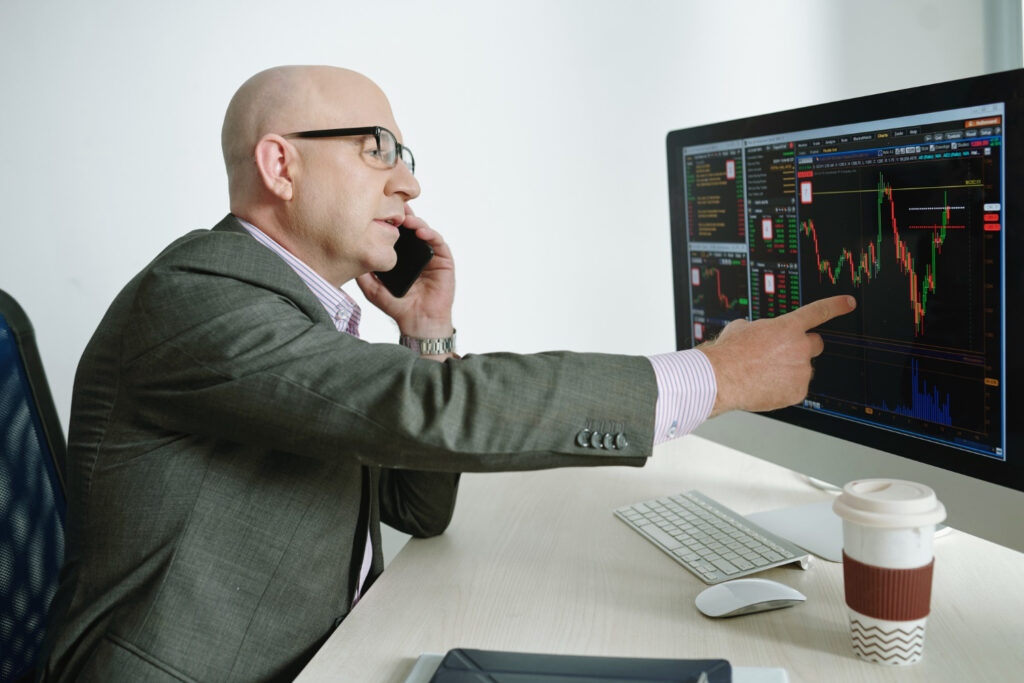
Finding a reliable Forex broker in Ghana can feel like a challenge, but it’s far from impossible. With the Forex market growing steadily in the country, traders now have access to several brokers offering competitive services. But how do you choose the right one?
Understanding the role of a Forex broker is key. They act as the bridge between traders and the global Forex market, providing platforms, tools, and support. In Ghana, the regulatory world is evolving, making it even more important to pick a broker that’s trustworthy and suits your trading needs.
This article explores the essentials of Forex brokers in Ghana, from what to look for in a broker to tips for safe trading. Whether you’re a beginner or an experienced trader, it’s all about making informed decisions to maximise your opportunities.
Overview Of Forex Trading In Ghana
Forex trading in Ghana has gained significant traction, with annual trading volumes estimated at over $400 billion globally, though specific national figures for Ghana remain unreported. The rapid adoption of digital technology and Forex education platforms has contributed to its rise in the country. Many Ghanaians now view Forex trading as a viable income source, especially amidst economic uncertainties.
The regulatory world for Forex trading in Ghana is still developing. The Bank of Ghana oversees financial institutions but doesn’t directly regulate Forex brokers. This regulatory gap has attracted both licensed international brokers and fraudulent entities. Traders must carefully verify brokers’ regulatory credentials, often seeking licenses from reputable bodies like the Financial Conduct Authority (FCA) or Cyprus Securities and Exchange Commission (CySEC).
Market accessibility has improved with brokers now offering Ghanaian cedi deposit options and local payment systems like MTN Mobile Money. This convenience enables more traders to participate with lower barriers. But, the absence of strict local regulations means traders rely heavily on broker transparency and external safeguards.
Forex education is increasingly popular in Ghana, with workshops, online courses, and social media resources teaching trading basics, technical analysis, and market strategies. While accessible knowledge is essential, experienced traders often warn against overly optimistic profit expectations. Successful Forex trading requires substantial discipline, ongoing learning, and risk management.
Traders in Ghana frequently trade major currency pairs (e.g., EUR/USD, GBP/USD) due to their liquidity and lower spreads. Scalping short-term market movements is a common tactic among local traders, though others prefer long-term strategies to accommodate work-life balance.
Importance Of Choosing The Right Forex Broker
The right Forex broker influences trading success, particularly in Ghana’s evolving market. Poor choices may lead to high fees, unreliable platforms, or even fraud. Working with a regulated broker ensures secure transactions. Major licensing bodies like the FCA, CySEC, or ASIC verify brokers’ credibility and adherence to international financial standards.
A diverse range of trading instruments provides flexibility for strategies. Brokers offering competitive spreads, transparent pricing, and leverage options allow traders to optimise profits while managing risk. Advanced trading tools, such as real-time analysis and automated trading features, also contribute to efficiency. Payment methods tailored to Ghana, like MTN Mobile Money or local bank transfers, simplify account funding.
Customer support availability, especially during trading hours, is critical for problem resolution. Multilingual support or dedicated assistance often improves user experiences. A user-friendly trading platform, compatible with desktop and mobile devices, equips traders to act swiftly in volatile markets.
Ignoring broker reviews and trader feedback undermines informed decisions. Researching online ratings or forums highlights the broker’s market reputation and service quality. Also, brokers offering demo accounts enable new traders to practise risk-free, enhancing skills without financial loss.
With no strict local Forex regulation, traders in Ghana depend on trustworthy brokers with international oversight and transparent operations.
Key Features To Look For In A Forex Broker In Ghana
Choosing a Forex broker in Ghana requires considering features like regulation, platform quality, customer support, and fee structures. Traders prioritising these attributes enhance security and trading efficiency.
Regulatory Compliance
Regulated brokers provide a safer trading environment by adhering to strict standards. International bodies like the UK’s FCA, Cyprus’s CySEC, and Australia’s ASIC regulate most credible brokers. Ghana currently lacks direct local Forex regulation, with oversight falling under the Bank of Ghana for financial institutions, excluding brokers.
A trustworthy broker includes regulatory information on their website, often displaying verified licenses. Checking this data directly through regulator websites ensures validity, protecting traders from fraud. Brokers without such credentials increase risks, especially in markets with minimal local protections.
Traders selecting brokers with global regulation benefit from fund protection mechanisms like segregated accounts or compensation schemes. Reliable regulation forms the foundation for other broker attributes.
Trading Platforms And Tools
Trading platforms help access to Forex markets, making design and functionality essential. Popular systems like MetaTrader 4 (MT4), MetaTrader 5 (MT5), and cTrader dominate due to their advanced tools and user-friendly interfaces. Compatibility across devices, including mobile, desktop, and web apps, ensures convenience for traders in Ghana.
Effective platforms include analytics, charts, and customisation features to plan precise trades. Integrated tools like expert advisors (EAs) automate processes, appealing to beginners and professionals. While proprietary software is common, ease of use varies, so thorough testing is advised via demo accounts.
Advanced tools and enhanced performance differentiate brokers, enabling well-well-informed choice-making directly through the interface. These features set the tone for service accessibility.
Customer Support And Accessibility
Reliable brokers offer responsive customer support, ensuring traders receive timely help. Live chat, phone lines, and email remain standard channels, though some brokers integrate WhatsApp and Telegram for quicker communication. Multilingual service caters to traders in diverse countries, including Ghana.
Availability varies, with top brokers offering 24/5 or even 24/7 assistance. Inquiries about deposit methods, platform issues, and strategy advice highlight the importance of knowledgeable personnel. Verified reviews or platform tests provide clarity on support quality.
Locally accessible services, such as Ghanaian payment options like MTN Mobile Money-bundled helplines, enhance trust. Accessibility factors lead traders to review associated financial implications like spread values or fees.
Fees And Spreads
Transparent fee policies reflect broker credibility. Common charges include spreads, commissions, and swap fees. Competitive brokers apply tight spreads — from 0.0 pips on major pairs — which directly reduce trading costs.
Zero-commission accounts exist but often add costs via spreads. Swap fees apply to overnight trades, so understanding a broker’s terms prevents unexpected charges. Non-trading fees, such as withdrawal or inactivity penalties, vary widely.
Brokers publishing clear fee structures attract budget-conscious traders in Ghana’s growing market. These brokers frequently combine cost efficiency with diverse trading account options.
Available Account Types
Account choices provide flexibility for new and professional traders. Brokers commonly offer standard, micro, ECN, or VIP accounts. Micro and nano accounts suit beginners with minimal deposits, typically $10 to $100. ECN accounts optimize spreads for experienced traders prioritising costs.
Some brokers introduce Islamic accounts, compliant with Sharia law, highlighting inclusivity. Additional accounts exist for education, with brokers in Ghana providing demo versions suitable for strategy testing before risking capital.
Selecting a broker that aligns account features with trading objectives results in a more tailored experience, eventually improving financial outcomes.
Top Forex Brokers In Ghana
Forex brokers operating in Ghana often cater to both beginners and experienced traders, providing platforms, tools, and services tailored to varying needs. Here’s a spotlight on three leading brokers and their key offerings.
Broker 1: Features And Benefits
Exness has emerged as a popular choice for traders in Ghana, boasting over 500,000 active accounts globally as of 2023. Its key advantage lies in its low minimum deposit requirement of $1, making it accessible for newcomers. Offering trading on MetaTrader 4 and 5 platforms, traders benefit from advanced charting tools and automated trading options.
Exness provides leverage up to 1:2000, although caution is advised when using high leverage due to increased risk. Spreads on major pairs like EUR/USD often start as low as 0.0 pips with zero commission options available on certain account types. Deposits and withdrawals via local payment methods like MTN Mobile Money ensure faster transactions without conversion fees.
The broker’s strong regulatory credentials, overseen by authorities like CySEC and FCA, offer additional security. Its accessible platform design and multilingual support enhance usability, making it a reliable option in Ghana’s growing market.
Broker 2: Features And Benefits
XM stands out as a globally trusted Forex broker with over 5 million clients since its inception in 2009. Known for its competitive trading conditions, XM offers spreads starting from 0.6 pips and supports over 1,000 trading instruments, including Forex, commodities, and indices. Educational resources like webinars and free courses attract Ghanaian beginners.
XM’s commission-free accounts and flexible trading platforms, including MetaTrader 4 and 5, provide both manual and automated trading options. The broker’s leverage cap is 1:888, balancing trading flexibility with responsible risk levels.
Deposits and withdrawals through local payment gateways like MTN Mobile Money ensure convenience for traders in Ghana. Regulated by ASIC, FCA, and CySEC, XM prioritises transparency and client fund protection, fostering trust among its users.
Broker 3: Features And Benefits
IC Markets ranks among the leading brokers, particularly admired for its low-cost trading environment. Offering spreads starting at 0.0 pips on Raw Spread Accounts and $3.50 commission per lot, it appeals to experienced traders seeking cost efficiency. The broker provides access to over 60 Forex pairs, including majors like USD/GBP.
IC Markets supports cTrader, MetaTrader 4, and MetaTrader 5 platforms. These advanced systems integrate tools such as depth of market and algorithmic trading features, enabling strategic and precise execution.
Processing local transactions is seamless with services like MTN Mobile Money available for Ghana-based traders. As a broker regulated by ASIC and CySEC, IC Markets emphasises secure, transparent operations. Its 24/7 multilingual customer service adds reliability, ensuring assistance is always within reach.
Challenges Of Forex Trading In Ghana
Forex trading in Ghana faces obstacles like limited regulatory oversight, unreliable brokers, and fluctuations in local economic conditions. The Bank of Ghana doesn’t specifically regulate Forex brokers, leaving traders exposed to entities without proper oversight. Fraudulent brokers exploit this gap, putting traders’ investments at significant risk unless international regulatory credentials like FCA or CySEC are verified.
Economic instability, including currency depreciation and inflation, complicates trading. The Ghanaian cedi’s volatility can impact global currency pair performance, making profitability harder to achieve. Traders also grapple with limited access to advanced trading platforms or tools when working with low-tier brokers, reducing overall trading efficiency.
Internet connectivity presents another challenge. While urban areas may enjoy stable broadband, rural regions struggle with intermittent connections, affecting real-time trade execution. Local payment systems, such as MTN Mobile Money, improve accessibility, but delays in transaction processing can disrupt trading, particularly during high volatility periods.
Forex education remains underdeveloped even though growing demand. Many resources targeting Ghanaian traders focus on beginner content, leaving gaps in advanced strategies or risk management techniques. Social media influences further complicate this, promoting unrealistic profit narratives that mislead new traders.
Finally, limited financial literacy among the population deters wider participation. Without clear understanding of leverage, margin trading, or market analysis, traders risk overleveraging or mismanaging funds. This increases their vulnerability to significant losses. Transitioning smoothly demands traders emphasise thorough research, genuine broker partnerships, and continuous learning initiatives to enhance outcomes.
Tips For Selecting A Reliable Forex Broker
Choosing a reliable Forex broker in Ghana ensures secure and efficient trading, especially in a market with limited local regulation. Traders should start by confirming the broker’s regulatory status with reputable authorities like the FCA (UK), CySEC (Cyprus), or ASIC (Australia). Brokers with these credentials demonstrate compliance with international standards, protecting clients’ funds and ensuring transparency.
Platform performance matters. Brokers offering systems like MetaTrader 4 or 5 allow users to trade seamlessly, with features like advanced charting tools, algorithmic trading options, and real-time data feeds. Mobile compatibility is equally important for traders who need flexibility. A demo account option helps test the platform’s usability before committing funds.
Customer support can’t be overlooked. A good broker provides responsive assistance via mediums like live chat, email, or phone, available 24/5 or better. Traders in Ghana benefit significantly from multilingual support and guidance tailored to regional challenges like payment integrations and network stability.
Fee structures determine profit margins. Reliable brokers offer competitive spreads, avoiding hidden charges. Account options like micro, standard, or zero-spread accounts cater to different trading capital levels, providing accessibility for both novices and experienced traders. Transparent fee declarations reflect the broker’s trustworthiness.
Local payment solutions improve accessibility. Brokers accepting MTN Mobile Money or equivalent systems make funding and withdrawals seamless for Ghanaian traders. Also, multi-currency funding, including the cedi, enhances convenience.
Reading verified trader reviews can confirm the broker’s authenticity and provide insight into service quality, easing the decision-making process. Fraudulent platforms often lack positive, consistent feedback. Combining due diligence with these considerations helps traders align their needs with the broker’s offerings and avoid pitfalls.
Conclusion
Finding a reliable Forex broker in Ghana requires careful research and attention to detail. With the market’s rapid growth and evolving regulatory environment, traders must prioritise safety, transparency, and broker credibility to navigate potential challenges effectively.
By focusing on regulated brokers with strong reputations, user-friendly platforms, and efficient customer support, traders can enhance their trading experience and minimise risks. Leveraging local payment solutions and educational resources further empowers traders to make informed decisions and achieve their financial goals.
A strategic approach and thorough due diligence are key to maximising opportunities in Ghana’s dynamic Forex market.